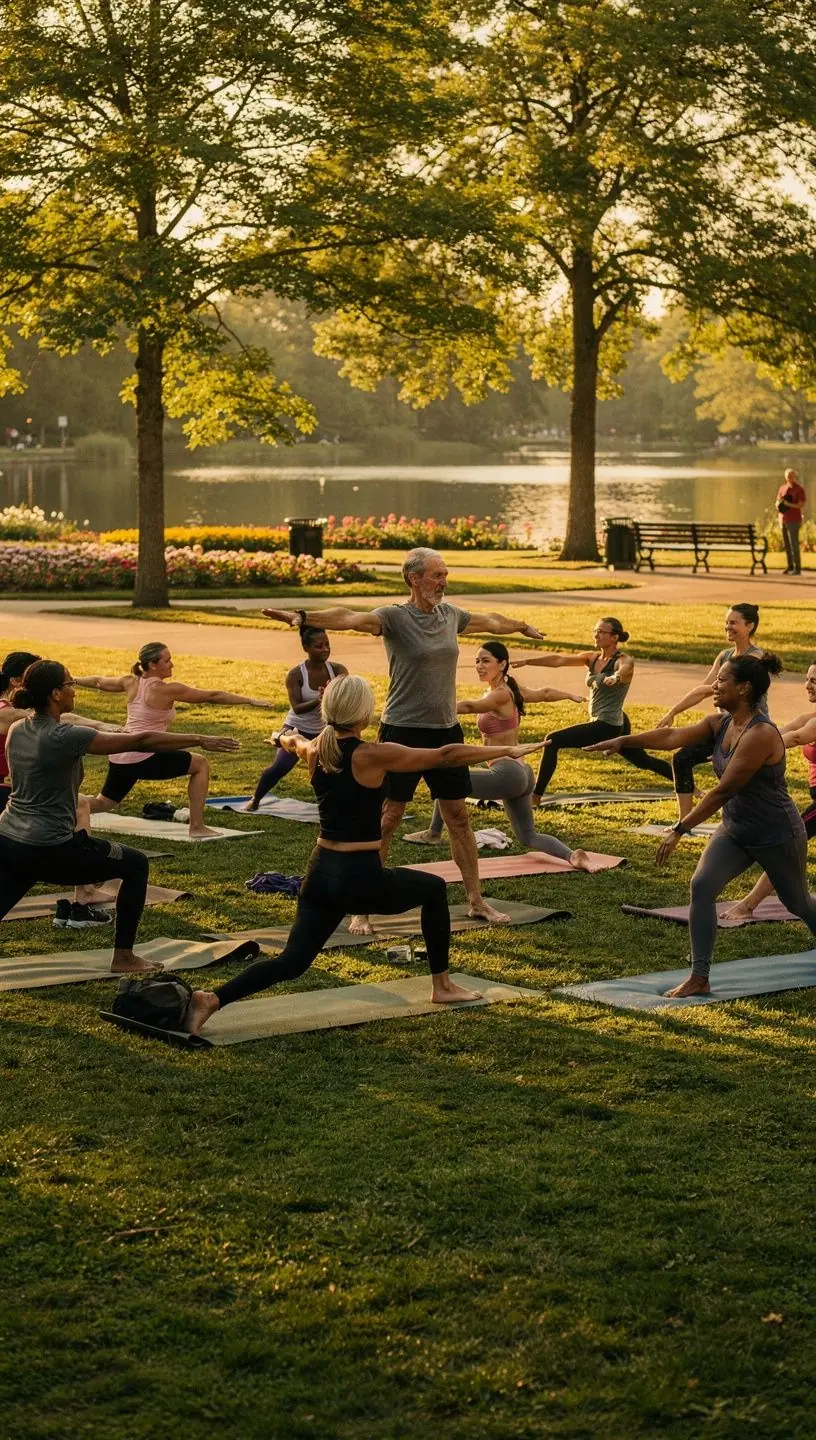
How to Get Involved in Community Volunteer Events
Participating in community volunteer events can be a rewarding experience for adults aged 40-60. Not only does volunteering provide an opportunity to give back, but it also fosters connections within the community and can enhance personal well-being. This article explores practical steps for getting involved in local volunteer opportunities.
Understanding the Importance of Volunteering
According to research from the Corporation for National and Community Service, engaging in volunteer work can improve overall well-being and lead to increased happiness. Many users report feeling a sense of fulfillment and purpose when they contribute to their communities. Experts recommend that volunteering can also be a great way to meet like-minded individuals, which is especially beneficial for adults in their 40s to 60s who may be looking to broaden their social networks.
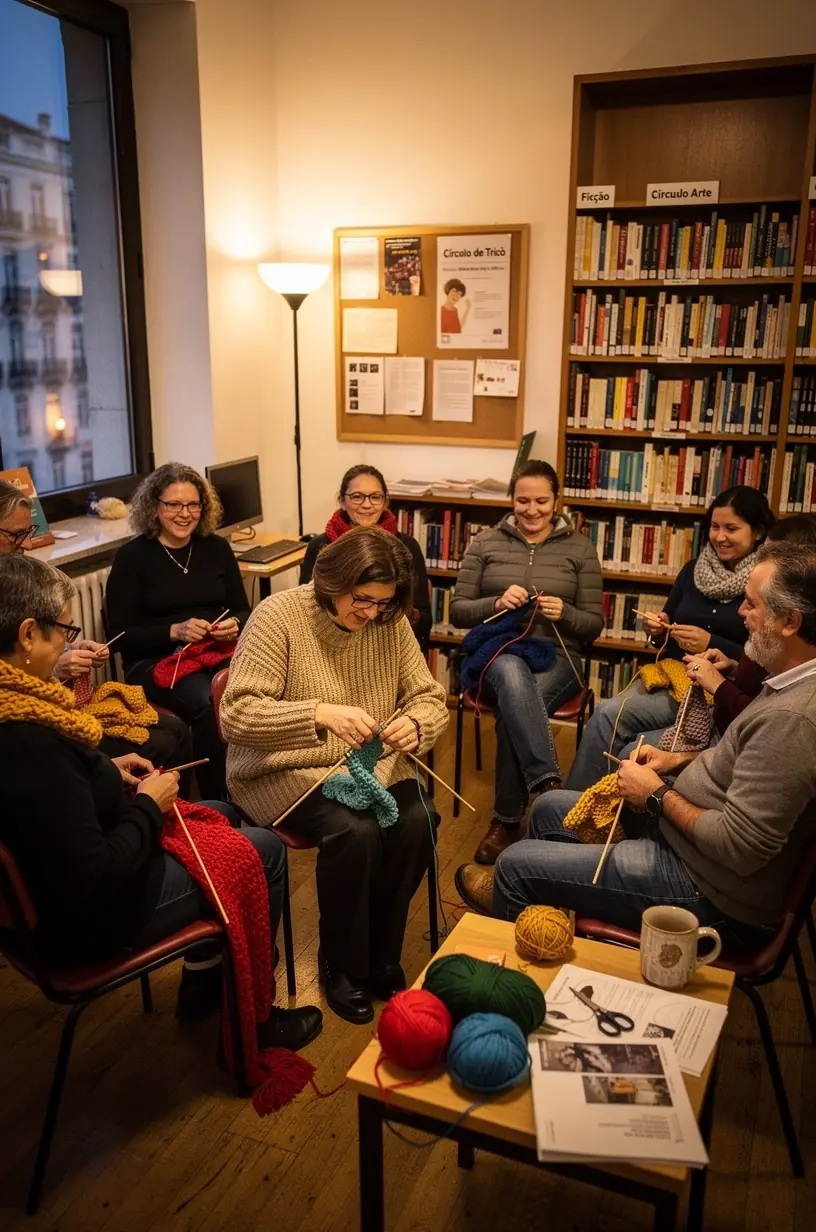
"Volunteering not only helps the community but also enhances personal growth and mental health." – Community Engagement Expert
Finding Opportunities
There are various ways to locate volunteer opportunities in your area. Here are some effective methods:
- Online Platforms: Websites like VolunteerMatch and Idealist are great resources for finding volunteer events that match your interests and skills. These platforms often include filters to help you narrow down options based on location and commitment level.
- Local Organizations: Many local nonprofits and community groups regularly host events and seek volunteers. Consider reaching out to organizations that align with causes you care about, as they often have ongoing volunteer needs.
- Community Centers: Local community centers typically have bulletin boards or newsletters that advertise upcoming volunteer opportunities. This is a great way to stay informed and engaged with your community.
Getting Started
Once you’ve identified volunteer opportunities that interest you, the next step is to get involved. Here are some tips to help you start:
- Assess Your Availability: Determine how much time you can realistically dedicate to volunteering. Many organizations welcome short-term commitments, while others may require a longer-term engagement. Typically, a commitment of a few hours per week is a good starting point.
- Understand the Requirements: Each organization may have specific requirements regarding age, background checks, or training. Make sure to clarify these before you commit, as this can help set clear expectations.
- Connect with the Organization: Reach out to the organization to express your interest. Ask questions about their volunteer programs, and find out how you can best contribute. Building a relationship with the organization can enhance your volunteer experience and increase your chances of finding a suitable role.
Overcoming Common Challenges
It’s common to feel apprehensive about starting volunteer work, especially if you're new to it. Here are some challenges you might face, along with strategies to overcome them:
- Time Constraints: Many adults in the 40-60 age group juggle various responsibilities, including work and family. Consider starting with smaller commitments, such as a one-off event, to gauge your capacity for longer-term involvement.
- Skill Gaps: It’s normal to feel that you may not have the right skills for certain volunteer roles. Most organizations offer training and guidance. Engaging in volunteer work can also provide a unique opportunity to learn new skills.
- Fear of Commitment: If you're unsure about making a long-term commitment, look for one-time events or short-term projects. Many organizations offer flexible opportunities that allow you to try out different roles.
Conclusion
Getting involved in community volunteer events is an effective way to enhance your personal well-being while making a meaningful impact in your community. By exploring various avenues for finding opportunities, understanding the commitment required, and addressing common challenges, you can create a positive and rewarding volunteering experience. Remember, even small contributions can lead to significant changes in your community and your own life.
Discover More