Exploring the Impact of Neighborhood Cultural Events
Neighborhood cultural events play a vital role in fostering community engagement and enriching the local cultural landscape. This article delves into the various ways these events can positively impact communities, particularly for adults aged 40 to 60.
Understanding the Value of Cultural Events
According to research from the National Endowment for the Arts, participation in cultural events can significantly enhance social cohesion and community identity. These events often serve as a platform for local artists and performers, providing them with opportunities to showcase their talents while bringing residents together.

"Community events can strengthen social ties and foster a sense of belonging, which is crucial for mental well-being." - Community Development Expert
Benefits of Attending Neighborhood Cultural Events
Participating in local cultural events can offer a range of benefits, particularly for adults aged 40 to 60. Here are some key advantages:
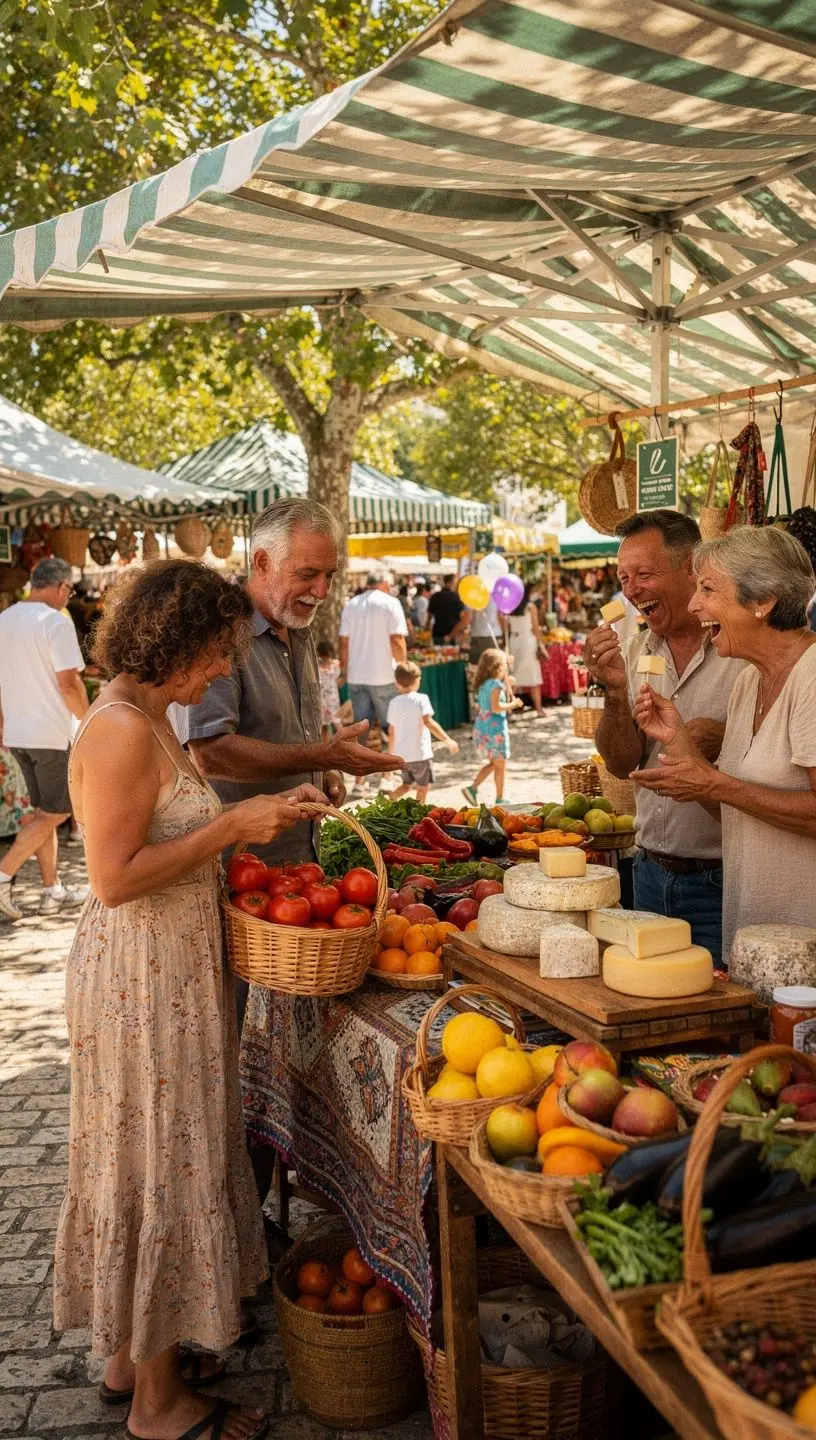
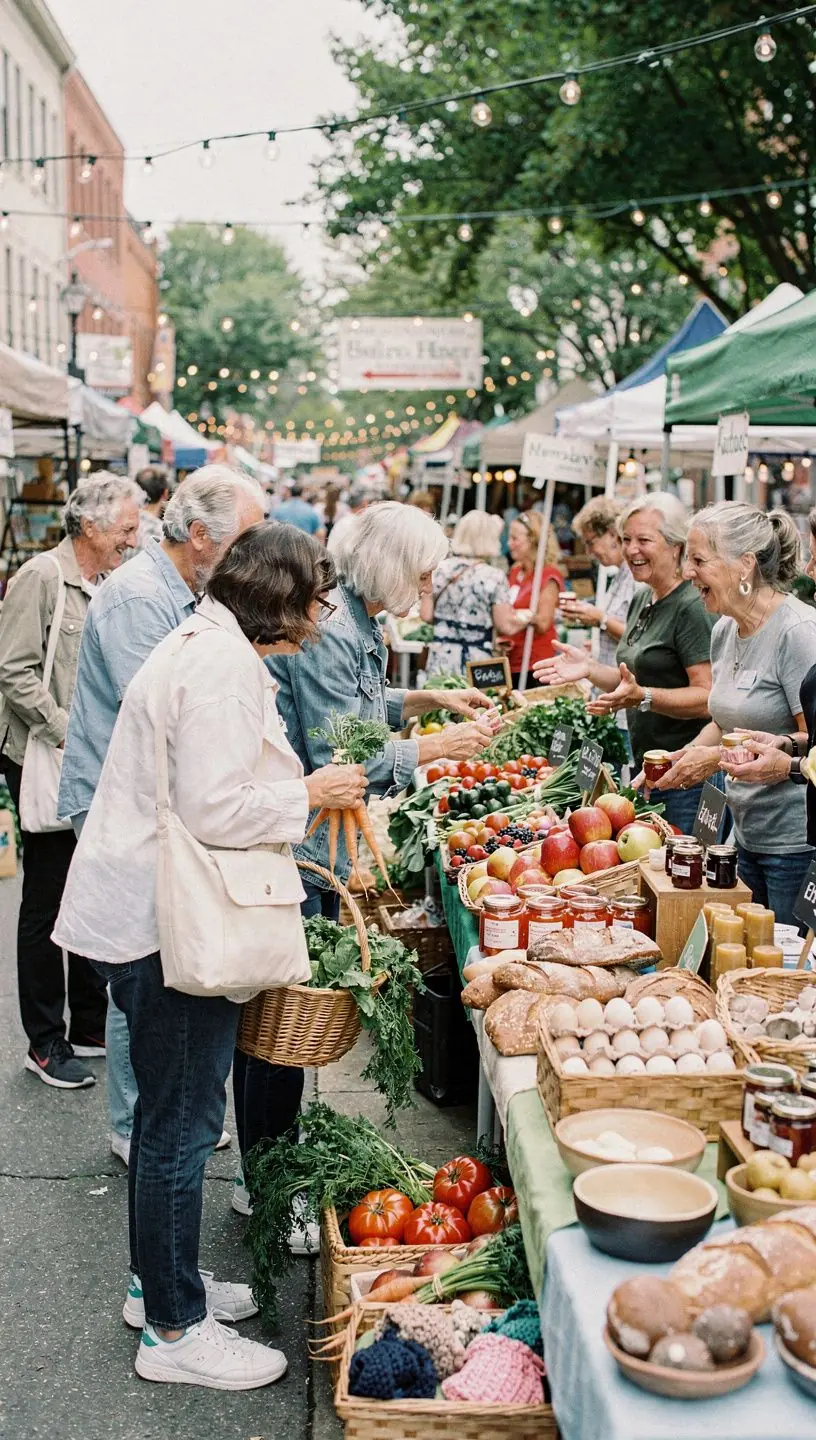
- Social Connection: Many users report that attending events such as art fairs, concerts, or theater performances helps them connect with neighbors and build friendships.
- Cultural Awareness: Research indicates that exposure to diverse cultural expressions can enhance empathy and understanding among community members.
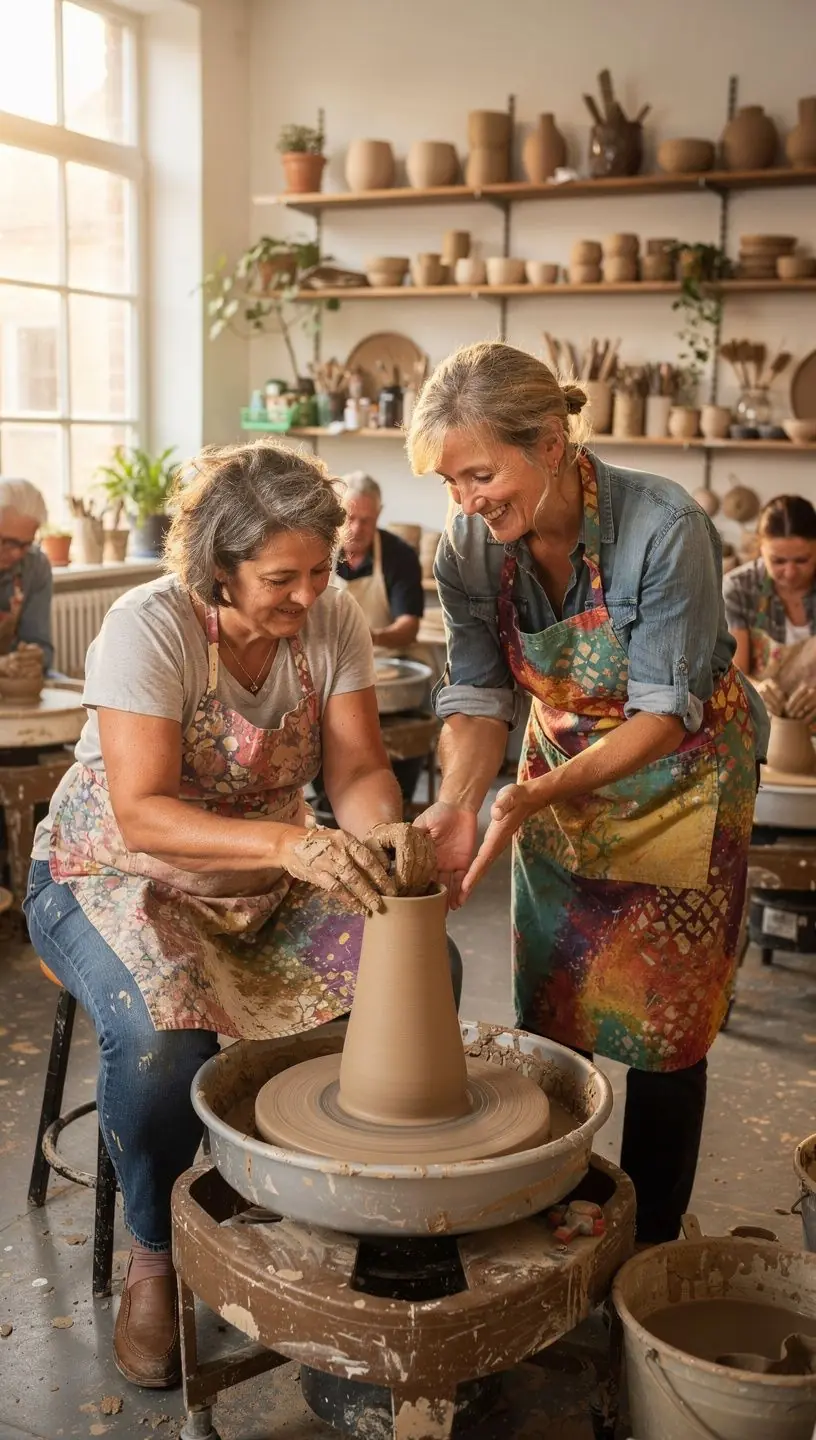
- Personal Enrichment: Engaging with the arts not only entertains but often provides educational opportunities, allowing attendees to learn new skills or discover new interests.
How Neighborhood Events Foster Community Engagement
Neighborhood events typically include a variety of programming, such as workshops, performances, and food festivals, which can attract diverse audiences. This inclusivity is essential because:
- Variety of Programming: According to studies, events that incorporate different forms of art and culture tend to engage broader demographics, making them more accessible.
- Collaboration with Local Businesses: Many cultural events partner with local businesses, creating a supportive ecosystem that boosts local economies while enhancing the event experience.
- Volunteer Opportunities: Many events rely on volunteers, allowing community members to contribute actively, which often leads to increased investment in the success of the event.
Challenges and Considerations
While cultural events can provide substantial benefits, there are challenges to consider. Organizing events often requires significant planning and community involvement. Typically, this process includes:
- Time Commitment: Organizing cultural events can take several months of planning, and securing funding or sponsorships may require dedicated effort.
- Community Participation: Involving a diverse range of community members in the planning process helps ensure the event meets the interests of various demographics.
- Feedback Mechanisms: Incorporating feedback from attendees can be invaluable for future events, allowing organizers to refine their approach based on community interests.
Conclusion
Neighborhood cultural events are invaluable assets to communities, particularly for adults aged 40 to 60. They foster social connections, enhance cultural understanding, and contribute to personal enrichment. While there are challenges in organizing these events, their impact on community cohesion and identity is profound and well worth the effort. By continuing to support and engage with local cultural initiatives, residents can help ensure that their neighborhoods thrive.
Discover More